3D Rendered Banana for Design Project: A Unique Tool for Creativity and Innovation
In the ever-evolving world of design, professionals and creators are constantly seeking new tools to enhance their projects. One such tool that has gained attention is the 3D Rendered Banana for Design Project. While it may seem unconventional at first glance, this digital asset offers a range of benefits that can elevate both artistic and commercial endeavors. This article explores what makes the 3D Rendered Banana for Design Project valuable, how it can be used, and who might benefit from incorporating it into their work.
What Is 3D Rendered Banana for Design Project?
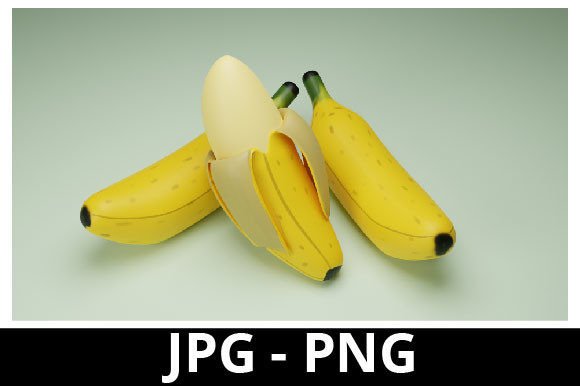
The 3D Rendered Banana for Design Project is a high-quality digital model of a banana created using 3D rendering software. Unlike a simple image or vector graphic, a 3D render allows for detailed textures, lighting effects, and realistic depth. These models are often used in product design, animation, virtual environments, and even marketing materials. The banana itself, while seemingly mundane, becomes a powerful tool when rendered with precision and artistry.
This type of asset is especially useful for designers looking to add unique elements to their work without the need to create something from scratch. Whether you're working on a food-related project, a concept for a game, or a branding campaign, the 3D Rendered Banana for Design Project can serve as a versatile component that adds visual interest and realism.
Key Features and Characteristics
One of the standout features of the 3D Rendered Banana for Design Project is its level of detail. These models typically include accurate textures, color gradients, and surface imperfections that mimic a real banana. This attention to detail ensures that the final render looks lifelike and can be seamlessly integrated into various design contexts.
- High-Resolution Textures: The banana’s skin, peel, and internal structure are rendered with clarity, allowing for close-up views without loss of quality.
- Lighting and Shading: Realistic lighting effects are applied to simulate how a banana would look under different conditions, such as natural light or artificial illumination.
- Customizable Properties: Many 3D models allow users to adjust colors, shapes, and other properties to fit specific design needs.
Additionally, these models are often available in multiple file formats, making them compatible with popular design and animation software like Blender, Maya, and Unity. This flexibility ensures that the 3D Rendered Banana for Design Project can be used across a wide range of platforms and applications.
Applications and Use Cases
The 3D Rendered Banana for Design Project is not limited to just one industry or purpose. Its versatility makes it suitable for a variety of scenarios, including:
- Food and Beverage Industry: Restaurants, food brands, and packaging designers can use the model to create eye-catching visuals for menus, advertisements, or product packaging.
- Game Development: Game designers can incorporate the banana into virtual environments, adding a touch of realism or humor to their worlds.
- Marketing and Advertising: The model can be used in digital campaigns, social media content, or print materials to attract attention and convey a playful or creative message.
- Education and Training: In design courses or workshops, the 3D Rendered Banana for Design Project can serve as a practical example of how 3D modeling and rendering work in practice.
These applications demonstrate how a single, seemingly simple object can have a significant impact when rendered in 3D. The 3D Rendered Banana for Design Project is more than just a visual element—it's a tool that can inspire creativity and add value to a wide range of projects.
Who Benefits From Using It?
While the 3D Rendered Banana for Design Project may seem niche, it can be beneficial for several groups of users:
- Graphic Designers: Those looking to add unique elements to their designs without spending time on manual creation.
- Web Developers: For creating engaging website content, especially in industries like food, entertainment, or lifestyle.
- Entrepreneurs and Small Businesses: To create professional-looking marketing materials without hiring a full-time designer.
- Students and Educators: As a learning tool to understand 3D modeling concepts and their real-world applications.
Whether you're a seasoned professional or a beginner, the 3D Rendered Banana for Design Project can offer a cost-effective and efficient solution for your design needs.
Strengths and Considerations
The 3D Rendered Banana for Design Project brings several strengths to the table. Its high level of detail, adaptability, and ease of use make it a valuable asset for many design projects. However, there are also some considerations to keep in mind:
- Quality Variance: Not all 3D models are created equal. It's important to choose a reputable source to ensure the model meets your standards.
- File Size and Compatibility: Some models may be large in size or require specific software to open, which could be a challenge for certain users.
- Licensing Restrictions: Always check the licensing terms before using the model in commercial projects to avoid legal issues.
By understanding these factors, users can make informed decisions about whether the 3D Rendered Banana for Design Project is the right choice for their specific needs.
Real-World Examples and Scenarios
To illustrate the potential of the 3D Rendered Banana for Design Project, consider the following examples:
- A Food Brand’s Packaging: A small fruit company uses the 3D banana model to design an attractive package that stands out on store shelves. The realistic render helps customers visualize the product before purchasing.
- A Video Game Environment: A game developer integrates the banana into a virtual grocery store scene, enhancing the immersive experience for players.
- An Online Marketing Campaign: A social media team creates a series of posts featuring the 3D banana, generating engagement and interest in their brand.
These scenarios show how the 3D Rendered Banana for Design Project can be adapted to suit different goals and audiences.
Evaluating Suitability for Your Projects
If you're considering using the 3D Rendered Banana for Design Project, here are a few steps to help determine if it's the right fit:
- Define Your Needs: Ask yourself what you want to achieve with the model. Is it for aesthetics, functionality, or another purpose?
- Check Quality and Source: Look for models from trusted providers that offer clear descriptions and sample renders.
- Test Compatibility: Ensure the file format works with your design software and that the model doesn’t cause performance issues.
By taking these steps, you can confidently incorporate the 3D Rendered Banana for Design Project into your workflow and maximize its potential.