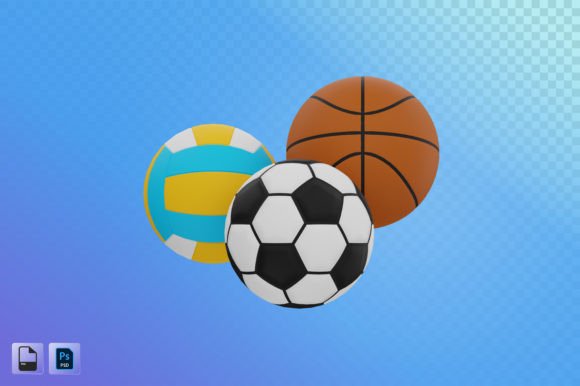
3D Sports Equipment: A Game Changer
For athletes, coaches, and sports enthusiasts, 3D Sports Equipment represents a significant leap forward in how we prepare, train, and compete. Whether you're looking to enhance performance, streamline training routines, or explore new ways to engage with sports, 3D technology offers practical solutions that can make a real difference. This article explores the value of 3D Sports Equipment and how it can support your goals in meaningful ways.
What Is 3D Sports Equipment?
3D Sports Equipment refers to tools and devices that use three-dimensional modeling, printing, or visualization to improve athletic performance, equipment design, or training methods. From custom-fitted gear made using 3D scanning to virtual reality simulations that replicate real-game scenarios, this technology is reshaping the sports landscape. Unlike traditional equipment, 3D Sports Equipment is often tailored to individual needs, offering a level of personalization that was once impossible.
The integration of 3D technology into sports has been driven by the need for precision, efficiency, and innovation. Whether it's creating lightweight, durable gear or simulating complex movements, 3D Sports Equipment provides a foundation for smarter training and better outcomes.
How 3D Sports Equipment Can Improve Results
One of the most compelling benefits of 3D Sports Equipment is its ability to help athletes achieve better results through targeted improvements. For example, 3D-printed orthotics or custom-fit shoes can reduce injury risks and enhance biomechanical efficiency. By analyzing movement patterns with 3D motion capture systems, coaches can identify inefficiencies and develop more effective training strategies.
Consider a runner who struggles with knee pain. Traditional shoe fitting may not address the root cause of the issue. With 3D Sports Equipment, a coach can use scanning technology to create a personalized shoe insert that supports the runner’s unique gait. This kind of tailored approach can lead to faster recovery, improved performance, and longer athletic careers.
Time-Saving Benefits of 3D Sports Equipment
Time is a valuable resource for anyone involved in sports, whether you're an elite athlete or a weekend warrior. 3D Sports Equipment can save time in several ways. For instance, 3D printing allows for rapid prototyping of gear, reducing the time needed to test and refine designs. Coaches can also use 3D simulations to analyze game strategies without spending hours on physical drills.
Imagine a basketball team preparing for a new season. Instead of relying solely on video analysis, they could use 3D models to visualize plays from different angles. This not only saves time but also enhances understanding and communication among players and coaches. The result is a more efficient training process and better-prepared teams.
Supporting Creativity and Innovation
3D Sports Equipment isn't just about improving performance—it also opens up new possibilities for creativity and innovation. Athletes and designers can experiment with unique equipment shapes, materials, and functions that were previously impractical or too expensive to produce. This encourages a culture of experimentation and helps push the boundaries of what's possible in sports.
Take a skateboarder looking to try a new trick. With 3D modeling software, they can design and test different board shapes and wheel configurations before manufacturing a prototype. This iterative process allows for creative exploration while minimizing waste and cost. Similarly, 3D Sports Equipment enables manufacturers to create niche products that cater to specific interests or needs.
Strengthening Communication and Collaboration
Effective communication is essential in any sport, whether between teammates, coaches, or even fans. 3D Sports Equipment can act as a powerful tool for visualizing and sharing ideas. For example, 3D animations can help explain complex techniques or strategies in a way that's easy to understand.
Coaches can use 3D models to demonstrate proper form or highlight areas for improvement during training sessions. This visual aid makes it easier for athletes to grasp concepts and apply them in practice. Additionally, 3D Sports Equipment can be used in fan engagement, allowing supporters to explore stadium layouts, player stats, or even virtual tours of training facilities.
Increasing Efficiency and Presentation
Efficiency is key in both professional and amateur sports. 3D Sports Equipment streamlines processes by reducing the need for physical prototypes, minimizing material waste, and enabling faster production cycles. This is especially beneficial for small businesses or independent designers who want to bring innovative products to market quickly.
When it comes to presentation, 3D models can be used to showcase products in high detail. Potential customers can view 3D renderings of sports gear online, getting a clear sense of how it looks and functions before making a purchase. This not only improves the customer experience but also increases trust and confidence in the product.
Simplifying Decisions and Solving Problems
Decision-making in sports often involves balancing multiple factors, such as performance, comfort, and cost. 3D Sports Equipment simplifies this process by providing data-driven insights and customizable options. For example, a cyclist choosing a new helmet can use 3D scans to determine the best fit and airflow properties, ensuring a comfortable and safe choice.
Additionally, 3D Sports Equipment can help solve problems related to equipment customization. Traditional manufacturing methods may not accommodate unique body types or preferences, leading to discomfort or inefficiency. With 3D technology, users can create gear that fits perfectly, addressing these challenges head-on.
Who Benefits Most from 3D Sports Equipment?
While 3D Sports Equipment offers benefits to a wide range of users, certain groups may find it particularly valuable. Professional athletes and coaches can leverage 3D tools to gain a competitive edge. Entrepreneurs and designers in the sports industry can use 3D technology to innovate and differentiate their products. Even casual athletes can benefit from customized gear that enhances their experience and reduces the risk of injury.
For example, a fitness instructor might use 3D modeling to create workout plans tailored to each client's body structure. A parent buying sports equipment for their child can use 3D scanning to ensure a perfect fit, avoiding the hassle of returns and exchanges.
Considerations and Recommendations
While 3D Sports Equipment offers many advantages, it's important to consider factors like cost, accessibility, and compatibility. Not all 3D tools are affordable or user-friendly, and some may require specialized knowledge to operate effectively. Before investing in 3D Sports Equipment, it's wise to research available options, read reviews, and consult with experts if needed.
Additionally, the effectiveness of 3D Sports Equipment can vary depending on the specific application. For instance, 3D-printed gear may not be suitable for high-impact sports where durability is critical. It's always a good idea to compare options and choose the right solution for your particular needs.
Conclusion: Embracing the Future of Sports
3D Sports Equipment is more than just a trend—it's a transformative force that can enhance performance, save time, and foster innovation. Whether you're an athlete, coach, designer, or enthusiast, there's likely a way to incorporate 3D technology into your sports journey. By focusing on practical benefits and real-world applications, 3D Sports Equipment offers a valuable tool for achieving your goals and staying ahead in the ever-evolving world of sports.