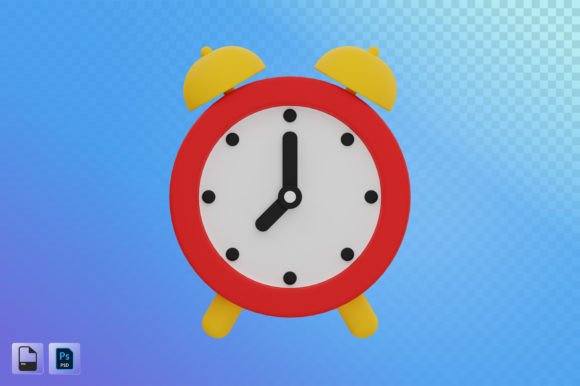
Alarm Clock 3D Illustration
Alarm Clock 3D Illustration is a digital art form that brings the classic alarm clock to life in a three-dimensional space. This type of illustration combines design, animation, and storytelling to create visually engaging representations of timepieces. Whether used for personal projects, commercial applications, or creative exploration, Alarm Clock 3D Illustration offers a unique way to visualize and interact with time.
Why It Matters to Different Audiences
Understanding the value of Alarm Clock 3D Illustration depends on individual goals, interests, and professional needs. For some, it may be a creative outlet; for others, a practical tool or marketing asset. The appeal varies across industries, skill levels, and use cases.
Beginners and Hobbyists
For beginners and hobbyists, Alarm Clock 3D Illustration can serve as an accessible introduction to 3D design and animation. Learning to create or manipulate these illustrations helps build foundational skills in software like Blender, Maya, or Cinema 4D. It also encourages experimentation with lighting, textures, and movement, offering a hands-on way to explore digital art.
Example: A student interested in graphic design might start by creating a simple animated alarm clock to practice modeling and rendering techniques.
Professionals and Creators
Designers, animators, and developers often use Alarm Clock 3D Illustration to enhance their portfolios or support client projects. These illustrations can be integrated into websites, apps, or advertisements to add visual interest and convey a sense of modernity or nostalgia. Professionals may prioritize quality, flexibility, and compatibility with existing tools when choosing how to approach this task.
Example: A UI/UX designer could incorporate a 3D alarm clock into a productivity app to improve user engagement and aesthetic appeal.
Business Owners and Marketers
Business owners and marketers may see value in using Alarm Clock 3D Illustration for branding or advertising. A well-designed 3D clock can become a recognizable element of a brand’s identity, especially in industries related to time management, wellness, or technology. It can also be used in social media content, email campaigns, or product packaging to stand out in a competitive market.
Example: A wellness company might use a 3D alarm clock in a campaign promoting better sleep habits, emphasizing the importance of waking up refreshed.
Educators and Students
Teachers and students can benefit from Alarm Clock 3D Illustration as a teaching tool. It can be used in design classes, animation workshops, or even math lessons to demonstrate concepts like geometry, perspective, and motion. Educators may focus on learning value, ease of use, and the ability to adapt the illustration for different lesson plans.
Example: A high school art teacher could assign a project where students create a 3D alarm clock to learn about texture mapping and lighting effects.
Consumers and Everyday Users
For everyday users, Alarm Clock 3D Illustration may appear in mobile apps, smart home devices, or digital calendars. While they may not create these illustrations themselves, they interact with them daily. Understanding how these designs are made can help users appreciate the effort behind the visuals and make more informed choices when selecting products or services.
Example: A smartphone user might prefer an app with a 3D alarm clock interface because it feels more dynamic and engaging than a flat design.
Key Priorities When Evaluating Alarm Clock 3D Illustration
When considering whether to use or invest in Alarm Clock 3D Illustration, different priorities come into play. These include ease of use, cost, quality, flexibility, and long-term usefulness.
Ease of Use
For those new to 3D design, the learning curve can be a major factor. Some tools offer intuitive interfaces and tutorials, making it easier to create basic illustrations without extensive training. Others require advanced knowledge of modeling, rigging, and animation.
Cost
The cost of creating or acquiring Alarm Clock 3D Illustration varies widely. Free resources and templates are available for personal use, while professional-grade assets may require payment. Business owners should weigh the cost against the potential return on investment, such as increased brand recognition or customer engagement.
Quality
High-quality 3D illustrations demand attention to detail, including realistic textures, accurate lighting, and smooth animations. For professionals, the quality of the final output can impact the perception of a brand or project. For consumers, it may influence their overall experience with a product or service.
Flexibility
Some illustrations are designed for specific platforms or formats, while others are adaptable across devices and media. Flexibility is important for creators who want to reuse or modify their work in different contexts, such as web, mobile, or print.
Reliability and Long-Term Usefulness
For businesses and educators, the long-term usefulness of an illustration matters. Reliable assets that can be updated or repurposed over time provide greater value. This is especially true for projects that require consistent branding or educational materials that evolve with new information.
How to Choose the Right Approach
Determining whether Alarm Clock 3D Illustration fits your needs involves assessing your goals, resources, and technical abilities. If you're looking to enhance your portfolio, consider starting with free tools and online tutorials. If you're a business owner, evaluate how the illustration aligns with your brand message and audience expectations.
Ultimately, the value of Alarm Clock 3D Illustration lies in its ability to bring time to life in a visually compelling way. Whether you're creating it yourself or using it as part of a larger project, understanding its purpose and potential can help you make informed decisions. By focusing on practical applications and personal relevance, you can find the right path forward.