Circle Element 3D Illu: Creative Possibilities
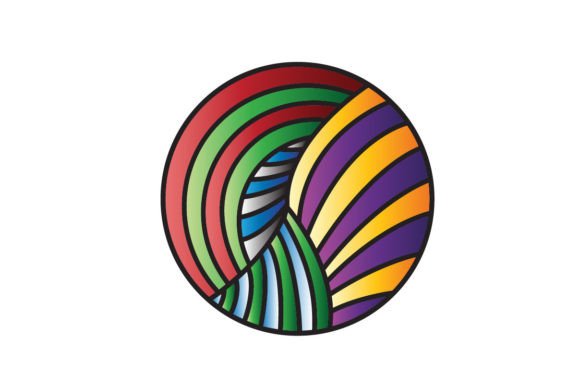
The Circle Element Color Layer Layer 3D Illu is a dynamic design concept that blends geometric form with layered color and three-dimensional visual depth. This technique offers a unique way to express creativity through the interplay of shapes, hues, and spatial elements. Whether you're a digital artist, graphic designer, or content creator, understanding and applying this approach can open new avenues for visual storytelling and artistic expression.
At its core, the Circle Element Color Layer Layer 3D Illu relies on the circular shape as a foundational element. By layering different colors and textures around this central form, designers can create visually engaging compositions that draw the eye and evoke emotion. The 3D aspect adds an extra dimension, making the artwork feel more immersive and interactive.
Exploring Creative Applications
One of the most appealing aspects of the Circle Element Color Layer Layer 3D Illu is its versatility. It can be adapted across various platforms and formats, from digital illustrations to print media. For instance, in branding, a circular logo with layered colors can symbolize unity, balance, and innovation. In web design, it can serve as a focal point that enhances user experience and visual hierarchy.
Consider using this technique in social media graphics. A circular banner with multiple layers of color and subtle 3D effects can make your posts stand out in a crowded feed. Similarly, in video game design, circular elements with layered textures can add depth to character designs or background environments.
For educators and trainers, the Circle Element Color Layer Layer 3D Illu can be a powerful tool for visual learning. Infographics that incorporate circular elements with layered data can simplify complex information and make it more digestible for students or clients.
Adapting for Different Audiences and Goals
Each audience may interpret the Circle Element Color Layer Layer 3D Illu differently. For example, a tech startup might use it to convey innovation and forward-thinking, while a wellness brand could use it to represent balance and harmony. Understanding your target audience’s values and preferences can help you tailor the design to resonate more effectively.
When working with clients or collaborators, consider their specific needs and goals. A marketing team looking to boost engagement might benefit from bold, colorful circular designs that capture attention. Meanwhile, a minimalist brand might prefer subtler, more refined versions of the same concept.
For independent creators, experimenting with the Circle Element Color Layer Layer 3D Illu can lead to unique personal projects. Whether it's a digital art series, a portfolio piece, or a custom illustration, the flexibility of this approach allows for endless creative exploration.
Practical Tips for Effective Design
To ensure your Circle Element Color Layer Layer 3D Illu remains clear and impactful, start by defining a strong visual hierarchy. Use contrasting colors and strategic layering to guide the viewer’s eye through the composition. Avoid overcrowding the design with too many elements, which can dilute the overall message.
Consistency is key when working with layered designs. Establish a cohesive color palette and maintain a uniform style throughout your project. This not only enhances the aesthetic appeal but also reinforces the intended theme or message.
Testing your design across different mediums can also improve its effectiveness. What looks good on a screen might need adjustments for print or physical installations. Always consider the final output and how it will be experienced by the audience.
Realistic Examples and Inspiration
Take inspiration from existing works that use similar techniques. For instance, many modern logos incorporate circular elements with layered textures to create a sense of depth and sophistication. These examples can provide a foundation for your own experimentation.
Look at how artists and designers integrate the Circle Element Color Layer Layer 3D Illu into their work. Some may focus on abstract interpretations, while others use it to tell a story or convey a specific emotion. Analyzing these approaches can help you identify what resonates with your creative vision.
Don’t be afraid to push boundaries. Try combining the Circle Element Color Layer Layer 3D Illu with other design principles, such as typography, patterns, or negative space. This can lead to fresh and innovative results that set your work apart.
Conclusion: Embracing Creativity with Purpose
The Circle Element Color Layer Layer 3D Illu offers a compelling way to merge form, color, and depth into meaningful visual experiences. By understanding its potential and applying it thoughtfully, you can enhance your creative projects and connect more deeply with your audience.
Whether you're exploring new design ideas, refining your craft, or seeking inspiration for a specific project, this technique provides a valuable framework for experimentation and growth. With practice and intention, you can unlock the full creative potential of the Circle Element Color Layer Layer 3D Illu.