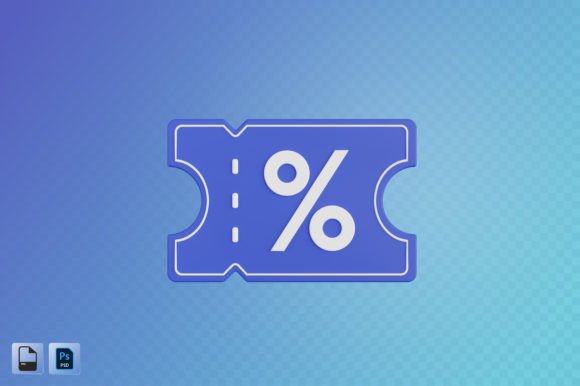
Coupon 3D Illustration for Modern Marketing and Design
When it comes to visual storytelling, Coupon 3D Illustration has become a powerful tool for businesses and creatives alike. This technique blends the practicality of coupons with the depth and dimension of 3D art, creating engaging visuals that capture attention and drive action. Whether you're looking to enhance your marketing materials or explore new creative avenues, understanding how Coupon 3D Illustration works can open up a world of possibilities.
Understanding Coupon 3D Illustration
Coupon 3D Illustration is a design approach that integrates 3D elements into traditional coupon formats. Instead of flat, two-dimensional graphics, this method uses three-dimensional models, textures, and lighting to create a more immersive and realistic representation of products or services. The result is a visually striking coupon that stands out in a crowded marketplace.
This type of illustration is particularly effective when used in digital campaigns, print ads, or interactive media. By adding depth and realism, it helps convey the value of a product or offer in a more compelling way. For example, a 3D illustration of a product could show its features from multiple angles, giving potential customers a better sense of what they're getting.
Real-World Applications of Coupon 3D Illustration
One of the most common applications of Coupon 3D Illustration is in e-commerce. Online retailers often use this technique to showcase products in a more dynamic way. A 3D coupon for a new smartphone, for instance, might highlight its sleek design, camera quality, and user interface through detailed animations and interactive elements. This not only makes the coupon more engaging but also increases the likelihood of conversion.
Another area where Coupon 3D Illustration shines is in the food and beverage industry. Restaurants and cafes can use 3D illustrations to promote special offers, such as a free dessert with a purchase. By showing the dish in a realistic, appetizing way, the coupon becomes more persuasive and memorable. This is especially useful for digital menus or social media promotions.
In the retail sector, Coupon 3D Illustration can be used to create eye-catching in-store displays. Imagine a coupon that looks like a mini billboard, complete with 3D images of the products being offered. This kind of visual appeal can draw customers in and encourage them to take advantage of the deal.
Who Benefits from Coupon 3D Illustration?
Businesses of all sizes can benefit from incorporating Coupon 3D Illustration into their marketing strategies. Startups, for example, may use it to create a strong first impression and differentiate themselves from competitors. Established brands can leverage the technique to refresh their campaigns and keep their audience engaged.
Designers and artists also find value in Coupon 3D Illustration. It offers a creative outlet for those who want to push the boundaries of traditional design. By experimenting with 3D modeling and animation tools, they can develop unique visuals that stand out in the market. This can lead to new opportunities, whether through freelance work or collaboration with clients.
Consumers, too, are influenced by the visual appeal of Coupon 3D Illustration. In a world where attention spans are short, a well-designed coupon can make a lasting impression. Whether it's a digital ad, a printed flyer, or an online banner, the right visual can turn a casual viewer into a loyal customer.
Scenarios Where Coupon 3D Illustration Excels
Coupon 3D Illustration is particularly effective in scenarios where visual impact is key. For example, during seasonal sales or holiday promotions, businesses can use 3D coupons to highlight limited-time offers. A 3D illustration of a gift box with a discount code inside can create a sense of urgency and excitement, encouraging customers to act quickly.
Event marketers can also use Coupon 3D Illustration to promote ticket sales or special experiences. An animated coupon featuring a 3D model of a concert venue or a festival stage can give attendees a preview of what to expect, making the offer more enticing. This is especially useful for virtual events, where the visual experience plays a crucial role in engagement.
Educational institutions and training programs can benefit from this technique as well. A 3D coupon promoting a course or workshop could include interactive elements, such as a 360-degree view of a classroom or a simulation of a hands-on activity. This not only makes the coupon more informative but also helps prospective students visualize the learning experience.
Considerations Before Using Coupon 3D Illustration
Before diving into Coupon 3D Illustration, it's important to consider a few factors. First, the target audience should be taken into account. While 3D visuals can be highly engaging, they may not always be appropriate for every demographic. For example, a more straightforward design might be better suited for older audiences or those who prefer simplicity over complexity.
Technical requirements are another consideration. Creating high-quality 3D illustrations often requires specialized software and design skills. Businesses may need to invest in tools or hire professionals to ensure the final product meets their standards. However, there are also affordable options available, such as pre-made templates or online design platforms that simplify the process.
Finally, the purpose of the coupon should guide the design choices. If the goal is to drive immediate sales, a bold and clear 3D illustration may be more effective. On the other hand, if the focus is on brand awareness or long-term engagement, a more subtle and artistic approach could be better suited to the campaign's objectives.
Strengths and Limitations of Coupon 3D Illustration
Coupon 3D Illustration offers several advantages. Its ability to add depth and realism can make a coupon more memorable and impactful. It also allows for greater creativity, enabling designers to experiment with different styles and effects. Additionally, 3D illustrations can be easily adapted for various formats, including web, mobile, and print, making them versatile for different marketing channels.
However, there are some limitations to consider. The production process can be time-consuming and resource-intensive, especially for complex designs. There's also the risk of overcomplicating the message, which could confuse the audience instead of clarifying the offer. Balancing visual appeal with clarity is essential to ensure the coupon remains effective.