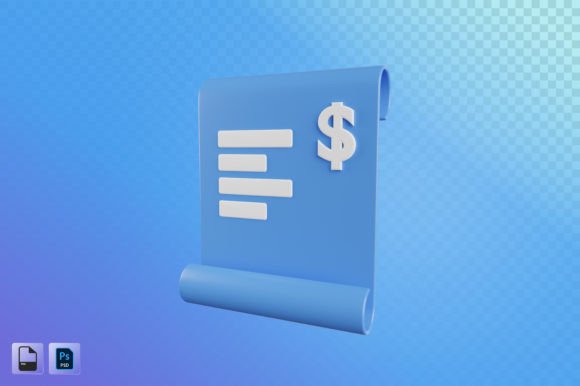
Invoice 3D Illustration: A Visual Tool for Clarity and Creativity
Invoice 3D illustration is more than just a visual treat—it’s a practical tool that can enhance communication, organization, and presentation in various real-world scenarios. Whether you're an entrepreneur, a designer, or someone managing personal finances, understanding how to use invoice 3D illustration can make a difference in how you share and receive information.
What Is Invoice 3D Illustration?
Invoice 3D illustration refers to the use of three-dimensional graphics to represent invoice documents or related financial data. These visuals can show the structure of an invoice, highlight key details like amounts, dates, and itemized lists, or even simulate a physical invoice in a digital space. Unlike flat, two-dimensional designs, 3D illustrations add depth, realism, and interactivity, making complex information easier to digest.
Think of it as a digital model of an invoice that you can rotate, zoom in on, or explore from different angles. This kind of visual representation is especially useful when explaining processes, presenting ideas, or creating engaging content around financial transactions.
When and Where People Use Invoice 3D Illustration
Invoice 3D illustration isn’t limited to one specific industry or profession. Its versatility makes it valuable in both professional and personal settings. Here are some common situations where it comes into play:
- Business Presentations: Entrepreneurs and business owners often use 3D illustrations to explain their invoicing systems to clients or investors. A well-designed 3D invoice can help visualize billing cycles, payment terms, or service breakdowns without overwhelming the audience with text.
- Marketing Materials: Marketers might incorporate 3D invoice visuals into brochures, websites, or social media posts to demonstrate how their services work. It adds a modern, eye-catching element that stands out from traditional flat design.
- Educational Content: Teachers or online course creators can use 3D invoice illustrations to teach students about accounting, finance, or business operations. Visual learning tools like these make abstract concepts more tangible and easier to understand.
- Freelance Work: Freelancers who offer services like graphic design, writing, or web development may use 3D invoice visuals to present their work to clients. It helps set expectations and provides a clear breakdown of what the client is paying for.
Real-World Applications of Invoice 3D Illustration
Let’s look at a few practical examples of how people use invoice 3D illustration in everyday life:
Imagine a small business owner named Sarah who runs an online store. She needs to send invoices to her customers, but she wants to make sure each one is clear and easy to understand. By using a 3D illustration, she can create a visual guide showing how the invoice works—what each section means, how payments are processed, and what happens if a payment is late. This reduces confusion and improves customer satisfaction.
Another example is a digital marketer named James, who creates content for his blog and YouTube channel. He uses 3D invoice illustrations in his videos to explain how he bills his clients. Instead of reading through a long document, viewers can see a dynamic, interactive model of an invoice that highlights important details like due dates, payment methods, and tax information. This makes his content more engaging and informative.
For educators, 3D invoice illustrations can be a powerful teaching aid. A teacher might use them in a lesson on business practices, showing students how invoices are structured, what they include, and why they matter. The visual aspect helps students grasp concepts faster and retain information better.
Who Benefits From Invoice 3D Illustration?
The benefits of invoice 3D illustration vary depending on the user’s role and goals. Here’s how different people might find value in it:
- Entrepreneurs: Entrepreneurs can use 3D invoice visuals to streamline their billing process, improve transparency with clients, and create a professional image.
- Designers and Developers: Graphic designers and developers may incorporate 3D invoice elements into their projects, whether for client presentations, app interfaces, or website layouts.
- Students and Educators: Students learning about business or finance can benefit from visual aids that make complex topics more accessible. Educators can use them to create interactive lessons or assignments.
- Freelancers and Service Providers: Freelancers who deal with multiple clients can use 3D invoice illustrations to standardize their billing process and reduce misunderstandings.
Even everyday users can find value in invoice 3D illustration. For instance, someone managing personal expenses might use a 3D invoice template to track bills, subscriptions, or freelance income. It offers a clear, organized way to handle financial tasks without getting lost in numbers and jargon.
What to Consider Before Using Invoice 3D Illustration
Before diving into invoice 3D illustration, it’s important to think about your specific needs and goals. Ask yourself questions like:
- What is the main purpose of using 3D illustration? Is it for clarity, engagement, or aesthetics?
- Who is the target audience? Will they benefit from a visual approach, or would a simpler format be better?
- Do I have the right tools or resources to create or access 3D invoice visuals?
- How will this fit into my workflow or existing processes?
It’s also worth considering the quality and accessibility of the 3D illustration. High-quality visuals can make a big difference, but they may require specialized software or expertise. If you’re not a designer, you might need to download pre-made templates or work with a professional to get the right look and feel.
Conclusion
Invoice 3D illustration is more than just a trend—it’s a practical tool that can simplify complex financial information and enhance communication in a variety of contexts. Whether you're running a business, teaching a class, or managing personal finances, understanding how to use and apply 3D invoice visuals can lead to better outcomes and clearer interactions. With the right approach, it can become an essential part of your toolkit, helping you convey information more effectively and professionally.