Paper Tray Box Die Cut Template and 3D: A Practical Guide for Designers and Manufacturers
The Paper Tray Box Die Cut Template and 3D is a valuable resource for professionals in packaging, graphic design, and manufacturing. It offers a structured approach to creating custom paper tray boxes, combining traditional die-cutting techniques with modern 3D modeling capabilities. This tool is particularly useful for those looking to streamline their production process while maintaining high-quality results.
Designed for both digital and physical applications, the template provides a foundation for creating accurate, scalable, and visually appealing paper tray boxes. Whether you're producing small batches or large-scale orders, this resource can help improve efficiency and reduce errors during the manufacturing phase.
Understanding the Paper Tray Box Die Cut Template and 3D
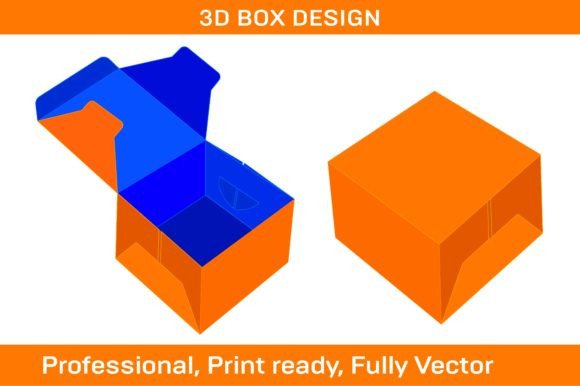
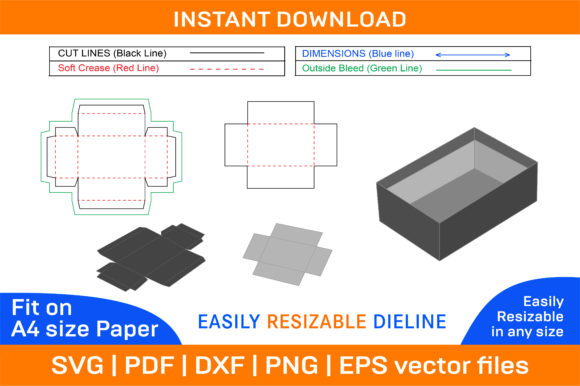
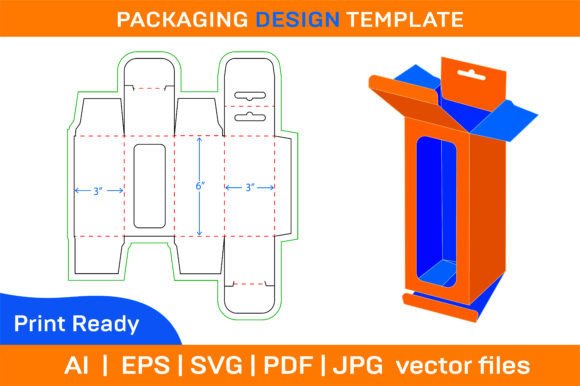
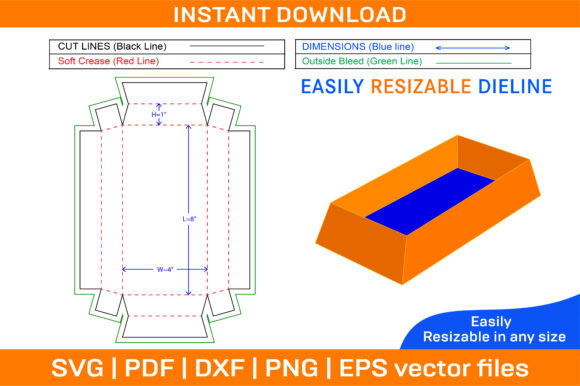
The Paper Tray Box Die Cut Template is a pre-designed layout that outlines how a box will be cut and folded. It includes measurements, fold lines, and cut paths necessary for assembling the final product. When combined with 3D modeling, this template becomes even more powerful, allowing designers to visualize the box in three dimensions before production.
This integration of 2D and 3D elements ensures that the final product meets exact specifications. It also helps identify potential issues early in the design process, such as misaligned flaps or incorrect dimensions, which could lead to costly reprints or delays.
For businesses focused on sustainability, the Paper Tray Box Die Cut Template and 3D can be optimized to minimize material waste. By accurately planning each cut, manufacturers can reduce excess paper usage, contributing to eco-friendly practices.
Key Characteristics and Practical Value
One of the primary strengths of the Paper Tray Box Die Cut Template and 3D is its flexibility. It supports various box styles, including standard, custom, and modular designs. This adaptability makes it suitable for a wide range of industries, from retail and e-commerce to gift packaging and promotional materials.
The template's precision is another significant advantage. With detailed measurements and alignment guides, it ensures consistency across multiple units. This reliability is essential for businesses that require uniformity in their packaging, especially when dealing with branded products or bulk orders.
Additionally, the 3D component enhances the design process by offering a realistic preview of the final product. This feature is particularly beneficial for clients or stakeholders who need to approve designs before moving forward with production. It reduces the need for physical prototypes, saving time and resources.
Real-World Performance and Usability
In practice, the Paper Tray Box Die Cut Template and 3D performs well when used with compatible design software. Tools like Adobe Illustrator, CorelDRAW, and online die-cutting platforms often support these templates, making them accessible to both novice and experienced users.
Usability is further enhanced by the availability of downloadable files and customizable options. Many providers offer templates in different formats, such as PDF, SVG, and AI, allowing users to modify the design according to their specific needs. This level of customization ensures that the template can be tailored to unique project requirements.
However, the effectiveness of the template depends on the user's familiarity with design software. For those new to the process, there may be a learning curve involved in understanding how to adjust measurements, apply folds, and integrate 3D views. Training or tutorials may be necessary to fully leverage the template's capabilities.
Quality, Reliability, and Long-Term Value
The quality of the Paper Tray Box Die Cut Template and 3D largely depends on the provider. High-quality templates are typically well-documented, with clear instructions and accurate measurements. They also include error-checking features that prevent common mistakes, such as overlapping cuts or incorrect fold lines.
Reliability is another key factor. A well-designed template should produce consistent results across multiple prints. This consistency is crucial for maintaining brand integrity and ensuring that every package meets the same standards. It also helps in reducing the risk of defects that could affect customer satisfaction.
From a long-term perspective, investing in a reliable Paper Tray Box Die Cut Template and 3D can save time and money. By minimizing errors and streamlining the production process, businesses can achieve greater efficiency. This is especially beneficial for companies that frequently update their packaging or work with tight deadlines.
Who Benefits Most from This Tool?
The Paper Tray Box Die Cut Template and 3D is ideal for small businesses, independent designers, and packaging specialists. Entrepreneurs launching new products can use it to create custom packaging that stands out in the market. Similarly, marketers and advertisers may find it useful for developing eye-catching promotional materials.
Freelancers and creative professionals who work on packaging projects can benefit from the template’s versatility. It allows them to deliver high-quality designs quickly while maintaining control over the production process. Educators and students in design or manufacturing programs may also find it helpful for teaching practical skills related to packaging and prototyping.
For larger organizations, the template can be integrated into existing workflows to improve scalability. It enables teams to maintain consistent branding across all packaging while adapting to changing product needs.
Practical Recommendations and Limitations
To get the most out of the Paper Tray Box Die Cut Template and 3D, it's important to choose a template that aligns with your specific project requirements. Consider factors such as box size, material type, and printing method when selecting a template. Testing the design with a small batch before full production can help identify any issues early on.
While the template offers many benefits, it is not a one-size-fits-all solution. Some complex designs may require additional modifications or specialized tools. In such cases, working with a professional designer or manufacturer may be necessary to achieve the desired outcome.
Additionally, the template’s effectiveness is limited by the quality of the design software being used. Users should ensure they have access to reliable tools that support the template’s format and features. Regular updates and maintenance of the software can also enhance performance and compatibility.
Conclusion
The Paper Tray Box Die Cut Template and 3D is a practical and efficient tool for anyone involved in packaging design and manufacturing. Its combination of 2D and 3D elements offers a streamlined approach to creating accurate and visually appealing paper tray boxes. While it requires some technical knowledge to use effectively, its benefits in terms of quality, consistency, and cost-efficiency make it a valuable asset for professionals and hobbyists alike.
By understanding its strengths and limitations, users can determine whether this tool fits their workflow and project goals. Whether you're a small business owner, a designer, or a manufacturer, the Paper Tray Box Die Cut Template and 3D can help you achieve better results with less effort.