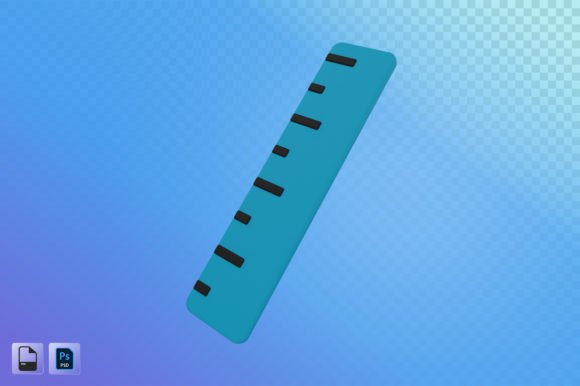
Ruler 3D Illustration
Ruler 3D Illustration offers a unique way to add depth and dimension to visual design, transforming flat graphics into engaging, three-dimensional experiences. This technique is particularly valuable for designers looking to create dynamic compositions that stand out in a crowded digital landscape.
Understanding Ruler 3D Illustration
Ruler 3D Illustration involves the use of geometric shapes and perspective to simulate a three-dimensional effect. It’s not just about making elements look立体; it's about enhancing visual storytelling and improving user interaction. When used effectively, this approach can elevate the overall aesthetic of a project while maintaining clarity and functionality.
Designers often integrate Ruler 3D Illustration into branding materials to create a more memorable and cohesive identity. The added depth helps differentiate a brand from competitors, making it more recognizable and visually appealing across various platforms.
Applications in Graphic Design
The versatility of Ruler 3D Illustration makes it suitable for a wide range of applications. In branding and logo design, it can be used to create icons and symbols that convey professionalism and innovation. For marketing materials, such as brochures and flyers, it adds a layer of sophistication that captures attention and communicates message effectively.
- Marketing materials
- Social media content
- Website and UI design
- Editorial layouts
- Packaging design
- Advertising campaigns
- Presentations
- Merchandise
- Digital products
In web design and UI, Ruler 3D Illustration can guide user navigation and highlight key elements. It contributes to a more intuitive and visually pleasing interface, which enhances the overall user experience. Similarly, in editorial design, it can be used to break up text and draw readers' eyes to important sections.
Best Practices for Using Ruler 3D Illustration
Selecting the right Ruler 3D Illustration requires careful consideration of the project's goals and audience. Consistency is key—ensuring that the style aligns with the overall design language and brand guidelines. Readability should never be compromised, even when adding depth and complexity.
Scalability is another important factor. Elements should maintain their visual integrity across different sizes and formats. Whether used in print or digital media, the illustration must remain clear and impactful. Visual hierarchy also plays a role; the 3D elements should support the main message without overshadowing it.
When integrating Ruler 3D Illustration into a design, consider how it interacts with other visual elements like typography, color palette, and imagery. A well-balanced composition ensures that the design remains professional and polished, reinforcing the brand's message and values.
For creative projects, Ruler 3D Illustration can serve as a source of inspiration, encouraging experimentation and innovation. It allows designers to explore new ways of expressing ideas and concepts, pushing the boundaries of traditional design approaches.
Ultimately, thoughtful application of Ruler 3D Illustration can significantly enhance the quality of visual communication. By focusing on usability, aesthetics, and strategic placement, designers can create compelling visuals that resonate with audiences and strengthen brand presence across all touchpoints.