Understanding Grey Abstract Construction Seamless Patterns
In the world of design, patterns play a crucial role in shaping visual aesthetics and functionality. Among the many types of patterns, grey abstract construction seamless patterns have gained significant popularity due to their versatility and modern appeal. These patterns are not just decorative; they serve as a foundation for various applications in design, architecture, and digital media. This article explores what grey abstract construction seamless patterns are, their significance, and how they can be effectively utilized in different contexts.
What Are Grey Abstract Construction Seamless Patterns?
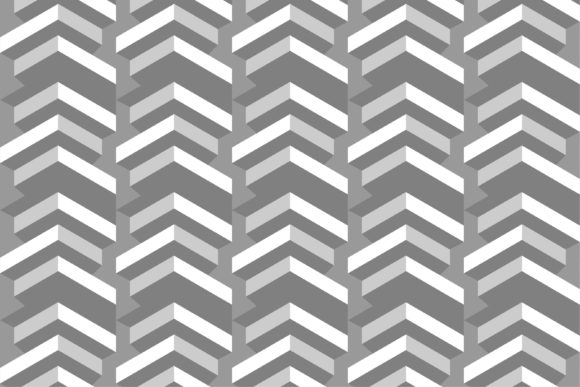
Grey abstract construction seamless patterns refer to repeating design elements that feature abstract shapes, lines, and forms in shades of grey. The term "seamless" indicates that these patterns can be tiled without visible breaks or seams, making them ideal for backgrounds, textures, and other continuous designs. The abstract nature of these patterns means they often lack realistic representation, instead focusing on form, contrast, and composition.
These patterns are commonly used in graphic design, interior decoration, and digital art. Their minimalist color palette allows them to blend seamlessly into a wide range of environments, from corporate offices to modern homes. The construction aspect suggests that the patterns may incorporate structural elements such as grids, lines, or geometric shapes, adding a sense of order and sophistication.
The Purpose and Significance of Grey Abstract Patterns
The primary purpose of grey abstract construction seamless patterns is to provide a visually appealing yet functional background or texture. They are particularly useful in situations where a subtle design element is needed without overwhelming the viewer. For example, in web design, these patterns can be used as background images to add depth and interest without distracting from the main content.
In interior design, grey abstract patterns can be found in wall coverings, textiles, and flooring. Their neutral color makes them easy to integrate with other design elements, while their abstract nature adds a touch of modernity and creativity. In architecture, these patterns might be used in building facades, interior partitions, or decorative panels to create a cohesive and stylish environment.
One of the key advantages of these patterns is their adaptability. They can be scaled up or down without losing quality, making them suitable for both large-scale projects and small details. Additionally, their seamless nature ensures that they can be repeated indefinitely, which is especially useful in creating consistent visual themes across different mediums.
How Do They Fit Into Modern Life?
In today's fast-paced world, design plays a critical role in both personal and professional spaces. Grey abstract construction seamless patterns are well-suited for modern lifestyles because they offer a balance between simplicity and sophistication. They can be found in workplaces, where they help create a calm and focused atmosphere, or in homes, where they contribute to a clean and organized aesthetic.
For businesses, these patterns can be used in branding materials, marketing collateral, and digital platforms. A company that wants to project a professional and innovative image might choose a grey abstract pattern as part of its logo or website design. Similarly, in education, these patterns can be used in classroom settings to create a stimulating learning environment without causing visual clutter.
In the realm of technology, grey abstract patterns are often used in user interface (UI) design. They can serve as background elements in apps, software, or websites, enhancing the user experience by providing a visually pleasing and non-distracting interface. Their ability to blend into different color schemes also makes them a popular choice for developers and designers looking for versatile assets.
Practical Applications and Examples
One of the most common uses of grey abstract construction seamless patterns is in graphic design. Designers often use these patterns as backdrops for presentations, posters, and advertisements. For instance, a designer working on a tech startup's promotional material might use a grey abstract pattern to convey a sense of innovation and professionalism.
In interior design, these patterns can be applied to walls, curtains, or furniture. A modern living room might feature a grey abstract wallpaper that adds visual interest without overpowering the space. Similarly, a home office could use a grey abstract fabric for blinds or rugs to create a calming and productive environment.
Another practical application is in digital art. Artists and illustrators often use these patterns as a base for their work, layering other elements on top to create unique compositions. For example, a digital painter might use a grey abstract pattern as a background before adding vibrant colors and textures to highlight specific areas of the artwork.
Common Misconceptions About Grey Abstract Patterns
Despite their widespread use, there are some common misconceptions about grey abstract construction seamless patterns. One of the most prevalent is the belief that they are too plain or uninteresting. However, this is far from the truth. When designed thoughtfully, these patterns can be dynamic and engaging, offering a rich visual experience that complements other design elements.
Another misconception is that these patterns are only suitable for minimalist or modern styles. While they do work well in those contexts, they can also be adapted to fit a variety of design genres. For example, a grey abstract pattern could be used in a traditional setting if paired with appropriate colors and textures to create a balanced look.
Some people also assume that using these patterns requires advanced design skills. However, with the availability of digital tools and resources, anyone can incorporate grey abstract patterns into their projects. Many online platforms offer downloadable seamless patterns that can be easily integrated into designs without the need for complex editing.
Conclusion
Grey abstract construction seamless patterns are more than just a design trend—they are a versatile and effective tool for creating visually appealing and functional spaces. Whether used in graphic design, interior decoration, or digital art, these patterns offer a unique combination of simplicity, adaptability, and style. By understanding their purpose, significance, and practical applications, readers can better appreciate how these patterns can enhance their creative and professional endeavors.
As the design world continues to evolve, the relevance of grey abstract construction seamless patterns is likely to grow. Their ability to blend into different environments while maintaining a distinct identity makes them a valuable asset for anyone involved in design, whether as a hobbyist, student, or professional.