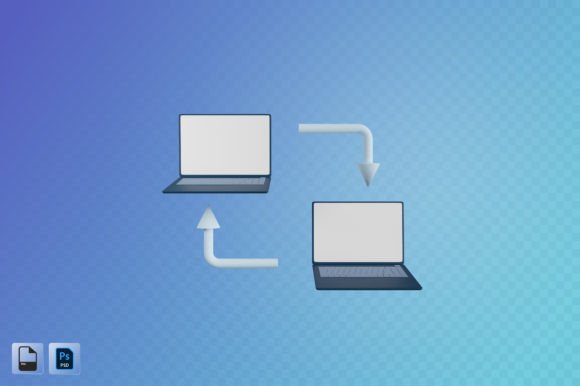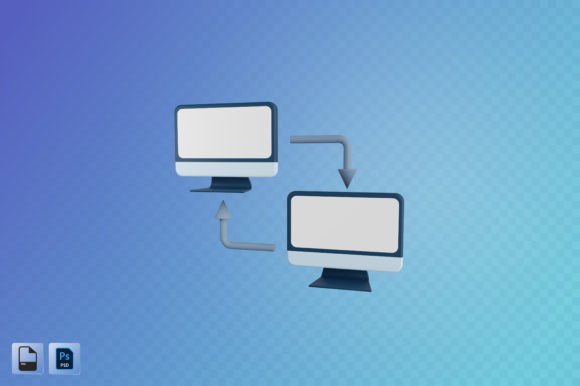
Computer Data Transfer 3D Illustration
Computer data transfer 3D illustration is a powerful visual tool that brings the invisible world of digital communication to life. Whether you're a tech professional, educator, or creative designer, understanding how data moves through systems can be made much clearer with these dynamic visuals. This type of illustration isn't just about showing movement—it's about making complex concepts accessible and engaging.
Imagine a scene where digital information flows like a river between devices, servers, and networks. With 3D animation, each byte of data becomes a tangible element, helping viewers grasp the mechanics of transfer in real time. This approach is especially useful for explaining how files, software updates, and even internet traffic move across platforms.
What Makes Computer Data Transfer 3D Illustration Unique?
Unlike static diagrams or simple animations, 3D illustrations offer depth, perspective, and realism that bring abstract ideas into focus. They allow for a more immersive experience, making it easier to visualize processes that are otherwise hard to see. For instance, a 3D model of a network can show how data packets travel from one node to another, highlighting potential bottlenecks or security risks.
The use of color, motion, and spatial relationships in these illustrations helps users understand not just what’s happening, but why it matters. A well-designed 3D representation can simplify technical jargon, making it easier for non-experts to engage with complex topics like cloud computing, cybersecurity, or IoT (Internet of Things) interactions.
Key Characteristics and Strengths
One of the standout features of computer data transfer 3D illustration is its ability to break down complexity. It transforms abstract data flows into something visually intuitive. This is particularly valuable in educational settings, where students can observe how information moves through a system step by step.
Another strength lies in its adaptability. These illustrations can be tailored for different audiences—whether it's a business presentation, a marketing campaign, or an academic lecture. The level of detail can vary depending on the purpose, ensuring that the message remains clear without overwhelming the viewer.
Moreover, 3D illustrations often incorporate interactive elements, allowing users to explore different aspects of the data transfer process. This interactivity enhances engagement, making learning and decision-making more effective.
Practical Applications Across Industries
In the professional world, computer data transfer 3D illustration is used to explain system operations to clients, stakeholders, or team members. For example, a software company might use such visuals to demonstrate how their platform handles large-scale data processing, giving customers a clearer picture of performance and reliability.
For educators, these illustrations serve as valuable teaching tools. They can help students grasp difficult concepts like network protocols, encryption, or distributed computing. Visual learning has been shown to improve retention, making 3D illustrations a great asset in STEM education.
Creatives and marketers also benefit from this technique. Whether designing a website, developing a mobile app, or creating a product demo, 3D data transfer visuals can enhance storytelling and user experience. They add a layer of sophistication that sets content apart in a competitive digital landscape.
Benefits for Businesses and Individuals
From a usability standpoint, computer data transfer 3D illustration improves clarity and reduces confusion. When teams or clients can see how data moves, they’re better equipped to make informed decisions. This is especially important in fields like IT, where misunderstandings can lead to inefficiencies or security vulnerabilities.
Efficiency is another major advantage. By using 3D visuals, businesses can communicate technical details more quickly and effectively. This saves time during meetings, training sessions, or client presentations, allowing more focus on strategy and problem-solving.
Appearance and branding also play a role. High-quality 3D illustrations can elevate a company’s image, showing that they invest in modern, innovative solutions. This can be a strong selling point when competing for clients or investors.
Real-World Examples and Use Cases
A common use case is in the development of user interfaces (UIs). Designers often use 3D data transfer illustrations to show how users interact with an app or website. This helps identify usability issues before launch, improving the overall experience.
Another example is in cybersecurity. Visualizing how data moves through a network can highlight potential threats, making it easier to implement protective measures. This is especially relevant for companies handling sensitive information, such as banks or healthcare providers.
For entrepreneurs, these illustrations can be part of a pitch deck. They provide a compelling way to explain how a product or service works, making it easier for investors to understand the value proposition.
Considerations When Using Computer Data Transfer 3D Illustration
When selecting or creating a 3D illustration, it's important to consider the target audience. A highly detailed visualization may be suitable for experts, while a simpler version could be better for general audiences. Tailoring the design to the viewer ensures maximum impact.
Quality is also key. Poorly executed illustrations can confuse rather than clarify. Working with experienced designers or using reliable software tools can help maintain high standards. Additionally, ensuring that the visuals align with brand guidelines can reinforce consistency and professionalism.
Finally, testing the illustration with a sample audience can reveal whether it effectively communicates the intended message. Feedback is essential for refining the final product and ensuring it meets the needs of its users.
Conclusion: Why It Matters
Computer data transfer 3D illustration is more than just a visual aid—it's a tool that bridges the gap between technical complexity and human understanding. Whether you're presenting to a boardroom, teaching a class, or designing a product, these visuals can enhance clarity, engagement, and effectiveness.
By leveraging the power of 3D illustration, professionals across industries can make their work more accessible, impactful, and memorable. As technology continues to evolve, so too will the ways we visualize and understand it. Embracing these innovations can give you a competitive edge in an increasingly digital world.