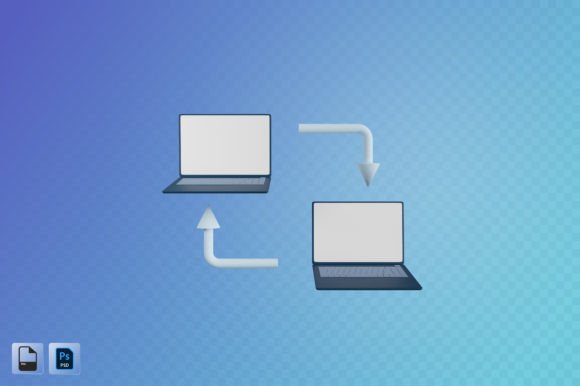
Laptop Data Transfer 3D Illustration: Understanding the Digital Pulse of Modern Computing
In today's fast-paced digital world, the transfer of data between devices has become an essential part of daily life. Whether you're a student, a professional, or a creative artist, the ability to move files from one device to another is crucial. A laptop data transfer 3D illustration offers a visual representation of this process, making it easier to grasp how information moves through our technological ecosystem. This article will explore the concept of laptop data transfer, its significance, and how it fits into modern life.
What Is Laptop Data Transfer?
Laptop data transfer refers to the process of moving files, documents, applications, or other types of data from one laptop to another or between a laptop and other devices such as external hard drives, smartphones, or cloud storage platforms. This process can occur through various methods, including USB cables, Wi-Fi, Bluetooth, or cloud-based services like Google Drive or Dropbox.
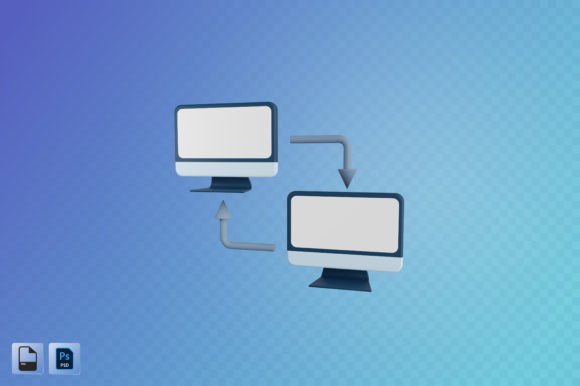
A 3D illustration of this process provides a dynamic and engaging way to visualize how data travels across different mediums. It often shows data packets being sent from one point to another, highlighting the flow of information in a way that is both educational and visually appealing.
The Purpose and Significance of Data Transfer
The primary purpose of laptop data transfer is to ensure that users can access their files and information regardless of their location. This is particularly important in today’s mobile workforce, where people frequently switch between devices and locations. For example, a business professional might transfer a presentation from their laptop to a tablet before a meeting, ensuring they have the latest version available on the go.
Additionally, data transfer plays a critical role in backup and recovery. By transferring important files to an external drive or cloud storage, users can protect themselves against data loss due to hardware failure, theft, or accidental deletion. This makes data transfer not just a convenience but a necessity for anyone who relies on digital information.
How Data Transfer Fits Into Modern Life
Data transfer is deeply embedded in our daily routines, often without us realizing it. From sending emails to sharing photos with friends, we are constantly moving data between devices. In education, students rely on data transfer to share assignments, collaborate on projects, and access learning materials from anywhere. In the workplace, seamless data transfer enables teams to work together efficiently, even when members are in different locations.
For creatives, such as graphic designers or video editors, data transfer is vital for managing large files and ensuring that projects are backed up and accessible. A laptop data transfer 3D illustration can help these professionals understand the underlying mechanics of how their files are moved and stored, which can be useful for troubleshooting or optimizing workflows.
Common Methods of Data Transfer
There are several common methods used to transfer data between laptops and other devices:
- USB Cables: One of the most straightforward ways to transfer data is by using a USB cable to connect two devices directly. This method is fast and reliable, especially for transferring large files.
- Wi-Fi and Bluetooth: These wireless technologies allow for data transfer without the need for physical connections. They are convenient for quick transfers, such as sending a photo from a smartphone to a laptop.
- Cloud Storage: Services like Google Drive, iCloud, and Microsoft OneDrive enable users to store and transfer files over the internet. This method is ideal for accessing files from multiple devices and collaborating with others.
- Network Shares: In office environments, data can be transferred over a local network using shared folders. This is useful for teams working on the same project.
Each method has its own advantages and limitations, and the choice often depends on the specific needs of the user.
Understanding the Technology Behind Data Transfer
Behind every data transfer is a complex system of hardware and software working together to ensure that information is accurately and securely transmitted. When you transfer a file from one device to another, the data is broken down into smaller units called packets. These packets travel through the chosen medium—whether it's a USB cable, Wi-Fi signal, or cloud server—and are reassembled at the destination.
A 3D illustration of this process can show how these packets move through different layers of technology, making it easier to understand the underlying mechanics. This visualization is especially helpful for beginners who may not be familiar with the technical details of data transfer.
Common Misconceptions About Data Transfer
Despite its importance, there are several misconceptions about data transfer that can lead to confusion or errors. One common assumption is that all data transfer methods are equally secure. In reality, some methods, such as public Wi-Fi, can expose sensitive information to potential threats. It’s important to use secure connections and encryption when transferring confidential data.
Another misconception is that transferring data always takes a long time. While large files can take longer to transfer, modern technologies like high-speed USB 3.0 and fiber-optic internet connections have significantly reduced transfer times. Understanding these nuances can help users make more informed decisions about how and when to transfer their data.
Practical Relevance in Daily Activities
Data transfer is not just a technical process; it has real-world implications that affect how we live and work. For instance, in healthcare, doctors and nurses rely on data transfer to access patient records, share medical images, and communicate with colleagues. In entertainment, streaming services use data transfer to deliver movies and music to users around the globe.
Even in everyday tasks, such as backing up photos or syncing calendars, data transfer plays a key role. A laptop data transfer 3D illustration can help users visualize how these processes work, empowering them to make better use of their devices and avoid common pitfalls.
Conclusion
Understanding laptop data transfer is essential in today’s digital age. Whether you’re a casual user or a tech-savvy professional, knowing how to move your data efficiently and securely can enhance your productivity and peace of mind. A 3D illustration of this process provides a valuable tool for learning and visualizing the complexities of data movement, making it easier to grasp the concepts behind modern computing.
As technology continues to evolve, so too will the methods and tools used for data transfer. Staying informed about these developments ensures that you can make the most of your digital devices and navigate the ever-changing landscape of information exchange with confidence.