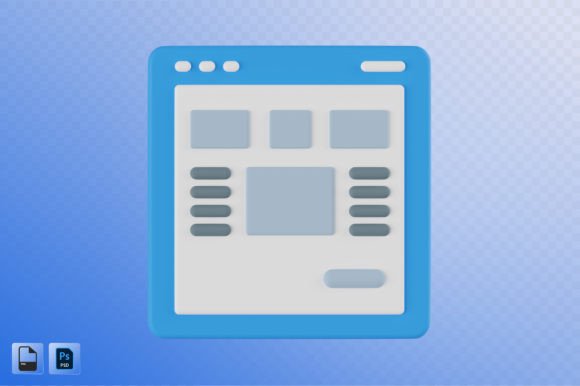
Page Layout 3D Illustration Explained
Page layout 3D illustration is a digital design technique that brings static page layouts to life in a three-dimensional space. It allows designers, developers, and creators to visualize how content will appear across different devices and screen sizes in a more immersive way. This method is especially useful for web and app development, where understanding spatial relationships and visual hierarchy is crucial.
Whether you're a beginner exploring design tools or a professional optimizing user experiences, page layout 3D illustration offers valuable insights. It helps bridge the gap between concept and reality, making it easier to spot issues before they become problems.
Why Page Layout 3D Illustration Matters
For many, the idea of 3D illustrations might seem complex or unnecessary. However, when applied to page layouts, it can simplify decision-making and improve communication. Different audiences may find value in this technique based on their goals, skills, and projects.
For example, a web developer might use 3D illustrations to test how a responsive design adapts to various screen sizes. A marketer could use it to better understand how users interact with a landing page. An educator might use it to teach students about layout principles in a more engaging way.
How Different Audiences Use Page Layout 3D Illustration
Beginners often approach page layout 3D illustration with curiosity but may struggle with the technical aspects. They might start by using pre-built templates or drag-and-drop tools that simplify the process. These tools allow them to experiment with layouts without needing advanced coding or design skills.
Experienced users, on the other hand, may prefer more control. They might integrate 3D illustration tools into their workflow, using them for detailed prototyping or client presentations. For them, the focus is on precision, flexibility, and the ability to showcase ideas in a compelling way.
Creators and artists might see page layout 3D illustration as a new medium for storytelling. By adding depth and movement to their designs, they can create more dynamic and memorable user experiences. This is particularly relevant for those working in digital art, game design, or interactive media.
Key Priorities for Different Users
The value of page layout 3D illustration varies depending on what users prioritize. Some may care most about ease of use, while others focus on quality, speed, or commercial potential.
- Beginners: Look for intuitive tools and tutorials that help them get started quickly.
- Professionals: Prioritize reliability, integration with existing workflows, and customization options.
- Business owners: Focus on cost-effectiveness, scalability, and how the tool supports their brand’s visual identity.
- Consumers: May not directly use the technology, but benefit from better-designed websites and apps that are easier to navigate.
For educators, the learning value of 3D illustration tools can be significant. They can use these tools to demonstrate concepts like spacing, alignment, and visual flow in a more tangible way. This makes abstract design principles easier to grasp for students.
Practical Examples for Various User Types
A small business owner launching an e-commerce site might use 3D illustration to preview how product pages will look on mobile devices. This helps them ensure that their site is both functional and visually appealing to customers.
A freelance designer working on a client project might use 3D illustration to present multiple layout options. Instead of just showing flat wireframes, they can demonstrate how each design would feel in a real-world context, helping clients make informed decisions.
For hobbyists interested in digital art, 3D illustration tools can offer a creative outlet. They can experiment with page layouts as part of larger multimedia projects, blending design with animation or interactivity.
Choosing the Right Tools for Your Needs
Selecting the right page layout 3D illustration tool depends on your specific needs. If you're looking for something simple and quick, there are many online platforms that offer drag-and-drop interfaces. These are great for getting started without a steep learning curve.
If you need more advanced features, such as custom animations or real-time collaboration, you may want to explore dedicated design software. These tools often come with a higher price tag but offer greater flexibility and power.
It's also important to consider the long-term usefulness of the tool. Will it grow with your skills? Can it adapt to future projects? These are questions that professionals and entrepreneurs should ask when evaluating their options.
Conclusion: Does Page Layout 3D Illustration Fit Your Goals?
Page layout 3D illustration isn't for everyone, but for those who work with digital design, it can be a powerful asset. Whether you're a beginner looking to learn, a professional seeking efficiency, or a creator exploring new techniques, there's likely a way to incorporate this approach into your workflow.
By understanding your priorities and experimenting with different tools, you can determine if 3D illustration enhances your design process. The key is to stay open to new methods and keep your goals in mind as you explore the possibilities.