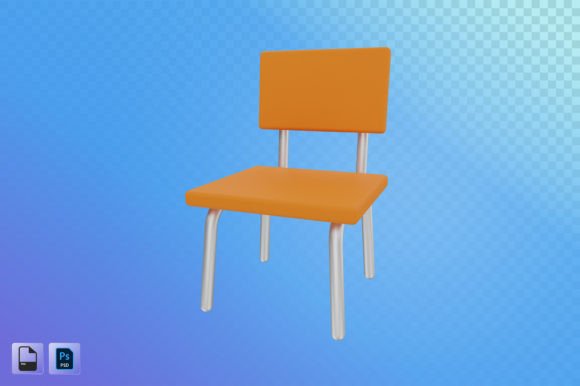
School Chair 3D Illustration Explained
For professionals, educators, and creators, visualizing school chairs in 3D can transform how spaces are designed, marketed, and understood. School Chair 3D Illustration offers a powerful way to communicate ideas, streamline decision-making, and enhance creativity. Whether you're an architect, a product designer, or a marketing professional, this tool can bring clarity and precision to your work.
Unlike traditional 2D drawings, 3D illustrations provide a realistic view of how a school chair will look and function in real environments. This level of detail is especially valuable when presenting designs to stakeholders, planning classroom layouts, or showcasing products to potential clients. By using School Chair 3D Illustration, you gain the ability to see and adjust elements before they are physically created or installed.
Enhancing Design and Planning with School Chair 3D Illustration
One of the most significant benefits of School Chair 3D Illustration is its ability to improve design accuracy. When planning a new classroom or renovating an existing space, having a clear visual representation of school chairs helps ensure that every detail aligns with the overall vision. For instance, a school administrator can use 3D models to determine how many chairs fit in a room, their placement, and how they interact with other furniture like desks and tables.
This approach also supports better communication between designers, architects, and clients. A 3D illustration allows everyone involved to visualize the final outcome without relying on abstract descriptions or sketches. It reduces misunderstandings and ensures that all parties have a shared understanding of the project goals.
Boosting Creativity and Customization
For designers and product developers, School Chair 3D Illustration opens up new possibilities for creativity. It enables them to experiment with different styles, materials, and configurations without the need for physical prototypes. This flexibility can lead to more innovative and tailored solutions that meet specific needs, such as ergonomic designs for students or durable options for high-traffic areas.
Moreover, 3D modeling tools often allow for easy adjustments. If a client prefers a different color scheme or a modified seat shape, these changes can be made quickly and visually. This level of customization not only improves client satisfaction but also streamlines the design process, saving time and resources.
Improving Marketing and Sales Efforts
Businesses that sell school furniture can leverage School Chair 3D Illustration to create compelling marketing materials. High-quality 3D renderings can be used in brochures, websites, and social media campaigns to showcase products in realistic settings. Potential buyers can see how a chair would look in a classroom, which can help them make more informed purchasing decisions.
Additionally, 3D illustrations can be used in virtual tours or interactive presentations, giving customers a more immersive experience. This is particularly useful for online sales, where physical samples may not be available. By offering a detailed visual representation, businesses can build trust and credibility with their audience.
Supporting Educational and Training Purposes
Educators and training professionals can also benefit from School Chair 3D Illustration. In design or architecture courses, students can use 3D models to learn about spatial planning, ergonomics, and aesthetics. This hands-on approach makes learning more engaging and practical.
For example, a teacher might use a 3D illustration to demonstrate how different chair arrangements affect student movement and interaction in a classroom. This kind of visual aid can help students grasp complex concepts more easily and apply them in real-world scenarios.
Who Benefits Most from School Chair 3D Illustration?
Professionals in fields such as education, interior design, architecture, and product development stand to gain the most from School Chair 3D Illustration. Educators looking to optimize classroom layouts, architects designing new school buildings, and manufacturers developing school furniture all find value in this technology.
Entrepreneurs and small business owners who want to present their products in a more professional manner can also benefit. By using 3D illustrations, they can elevate their brand image and attract a wider audience. However, it's important to note that mastering 3D modeling requires some technical skill or investment in software and training.
Considerations and Limitations
While School Chair 3D Illustration offers many advantages, it’s not a one-size-fits-all solution. The quality of the final output depends on the tools used and the expertise of the person creating the model. Some users may find the learning curve steep, especially if they are unfamiliar with 3D design software.
Additionally, while 3D illustrations provide a realistic view, they cannot fully replace physical samples or on-site visits. For critical decisions, it’s always wise to combine digital representations with real-world testing or consultations. Comparing different design options through 3D models can still be a valuable step, but it should be part of a broader evaluation process.
Conclusion: Embracing the Power of School Chair 3D Illustration
School Chair 3D Illustration is more than just a visual tool—it’s a practical asset that can enhance design, communication, and decision-making across various industries. Whether you’re planning a classroom, developing a product, or creating marketing content, this technology offers tangible benefits that can support your goals.
By integrating School Chair 3D Illustration into your workflow, you can improve efficiency, foster creativity, and deliver more accurate and compelling results. As the demand for visual clarity and customization continues to grow, this approach is becoming an essential part of modern design and communication strategies.